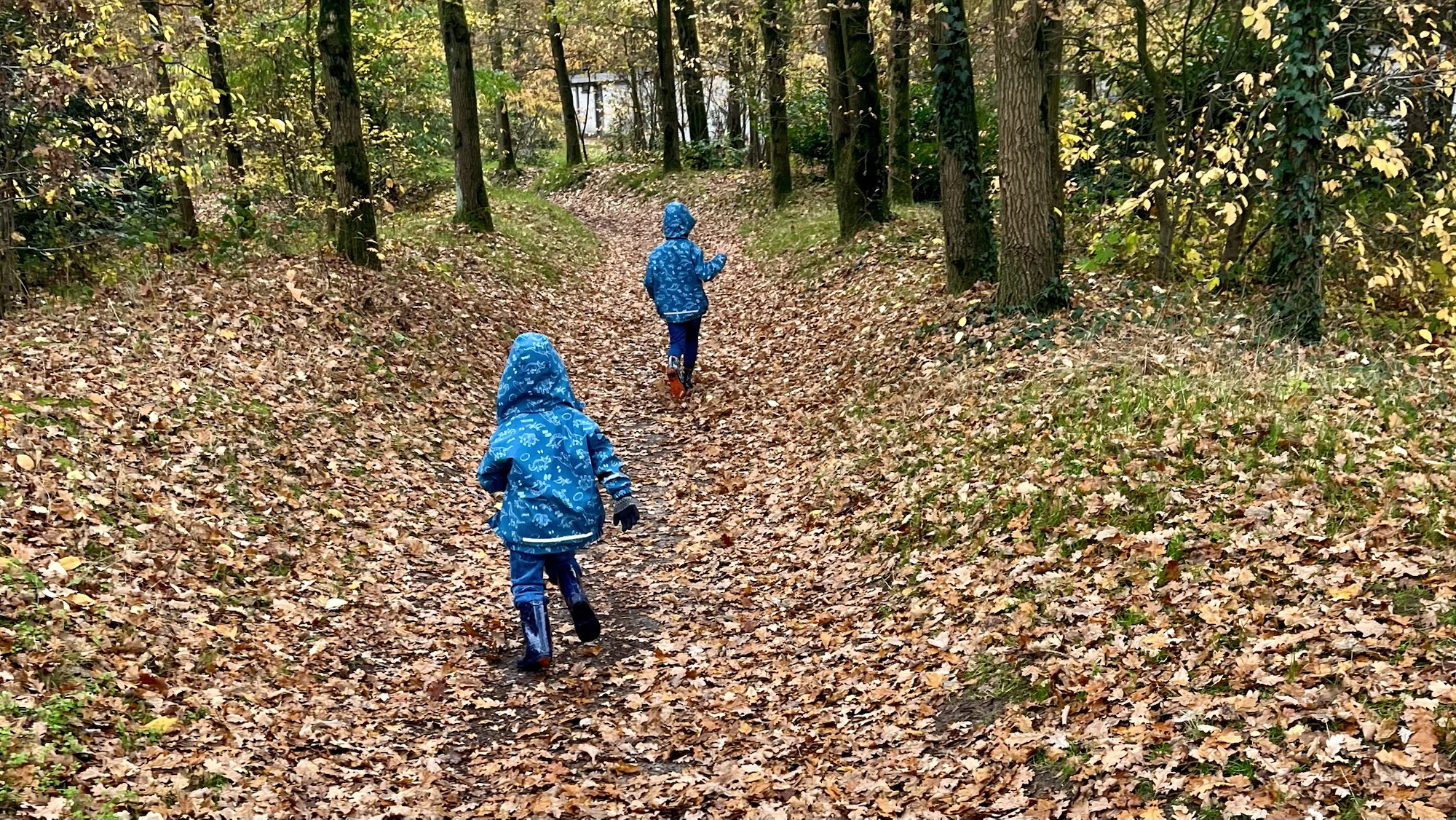
November is one of those months when I like to slow down just enough to be intentional.
The days become shorter, the evenings a little cozier, and Christmas suddenly feels much closer. There are lovely opportunities to spend time together as a family, talk about our faith, teach our children important values, and begin preparing for the season ahead.
I don’t want November to become another month filled with endless to-do lists. But I do love having a few meaningful dates and simple family traditions to look forward to.
If you’re someone who likes to get a little ahead of the Christmas rush, I’ve also put together a complete guide to preparing for Christmas from October through December. It includes simple ideas and practical steps to help you enjoy the season without feeling overwhelmed.
Here are some of the occasions I like to mark with my family, the things I want my children to learn along the way, and a few practical preparations that help make December feel a little more peaceful.
November 1: All Saints’ Day – Learning About Faith and Good Examples
All Saints’ Day is a lovely opportunity to talk with children about the people who have lived their lives with faith, courage and love.
We can explain that being a good example doesn’t mean being perfect. It means trying to do what is right, showing kindness and trusting God, even when things aren’t always easy.
What I’d like my children to learn:
- We can learn from people who lived their faith.
- Small acts of kindness matter.
- We can try to be a good example to others in our everyday lives.
A simple activity could be choosing someone from the Bible or Christian history and talking about what we can learn from their life.
November 11: Remembrance Day & Veterans Day – Teaching Gratitude and Peace
November 11 is observed as Remembrance Day in Canada and Veterans Day in the United States.
Although the traditions differ, both occasions offer an opportunity to talk about courage, service, sacrifice and peace.
I think it is important for children to understand that peace is something we should never take for granted.
We can keep the conversation age-appropriate, perhaps explaining why people remember those who served their countries and why we should be grateful for the freedom and safety we enjoy.
What I’d like my children to learn:
- To appreciate the people who help protect others.
- To understand the importance of peace.
- To be thankful for the everyday things that make us feel safe.
We might also say a little prayer for families who have experienced war and for those who are still living through difficult circumstances.
November 15: World Day of the Poor – Learning to Be Generous
One of the most important lessons I want to teach my children is that having a good life is not just about what we own.
World Day of the Poor, observed by the Catholic Church, is a reminder to look beyond ourselves and notice people who may need a little help.
Generosity doesn’t always have to involve money. It can be sharing, helping someone, giving our time or simply noticing when another person needs kindness.
What I’d like my children to learn:
- Not everyone has the same opportunities.
- We should be grateful for what we have.
- Helping others is an important part of living our faith.
We could choose a small family activity, such as donating toys we no longer use, preparing something for someone in need or making a little kindness project together.
November 20: World Children’s Day – Celebrating Childhood
Children deserve to feel loved, safe, heard and valued.
World Children’s Day is a lovely reminder to celebrate childhood and to think about the kind of environment we create for our children.
For me, this also means remembering that children don’t need every day to be filled with activities. They need time to play, explore, ask questions and simply enjoy being children.
What I’d like my children to learn:
- Every child deserves love and respect.
- We should treat one another kindly.
- Our differences make us special.
Perhaps we can spend a little extra time doing something the children choose themselves. Nothing elaborate, just an afternoon of play, reading or baking together.
November 22: Christ the King Sunday – Remembering What Matters Most
The last Sunday before Advent is celebrated as Christ the King Sunday in many Christian traditions.
It is a beautiful opportunity to bring the focus back to Jesus before the busyness of Christmas begins.
We can talk about what it means to follow Jesus, to love others and to let our faith guide the choices we make.
What I’d like my children to learn:
- Jesus is at the centre of our Christian faith.
- Love, forgiveness and kindness are more important than possessions.
- We can turn to God in our everyday lives.
A family Bible reading or a simple conversation about what Jesus taught us can be enough.
November 26: Thanksgiving – A Family Tradition of Gratitude
Thanksgiving is celebrated in the United States on the fourth Thursday of November. In 2026, that falls on November 26.
Although Canadian Thanksgiving takes place in October, the idea of gratitude is something we can celebrate throughout the year.
I love the thought of making gratitude a natural part of family life rather than something we only talk about on special occasions.
We could sit together at dinner and each share three things we are thankful for.
For younger children, it can be as simple as being thankful for their favourite toy, a lovely afternoon or someone they love.
What I’d like my children to learn:
- To notice the good things in everyday life.
- To appreciate the people around them.
- To thank God for the blessings in their lives.
A little gratitude tradition doesn’t need to be complicated to become meaningful.
November 29: The First Sunday of Advent – Preparing Our Hearts for Christmas
This is probably one of my favourite moments of the month.
In 2026, the first Sunday of Advent falls on November 29. It marks the beginning of the Advent season and the countdown towards Christmas.
I want my children to understand that Christmas is about much more than presents, decorations and exciting surprises.
It is a time to remember the birth of Jesus and the hope, love and joy that His coming represents.
We can prepare an Advent wreath, light the first candle, read a Bible story and spend a few quiet moments together.
What I’d like my children to learn:
- The story of Jesus’ birth.
- The meaning of hope, peace, joy and love.
- That Christmas is about celebrating Jesus, not just receiving gifts.
Simple traditions repeated each year often become the memories our children treasure most.
If you’re looking for a little inspiration, I’ve also shared a blog post about our Advent calendars, with simple ideas to help you prepare something meaningful and lovely for your children without making it unnecessarily complicated. Discover my Advent calendar ideas here.
A Little Christmas Preparation in November Makes December Easier
Of course, November isn’t only about family celebrations and meaningful conversations. It is also the perfect time to take care of a few practical things before December arrives.
I find that having a simple plan helps me enjoy Christmas preparations much more. Instead of trying to remember everything at the last minute, I can gradually work through the things that need attention.
Some of the things I like to take care of in November include:
- Gifts: Finalize the gift list, set a realistic budget and start or finish Christmas shopping.
- Wrapping: Keep wrapping supplies together and wrap gifts as they arrive.
- Christmas cards: Choose cards, gather addresses and send them before December becomes too busy.
- Meals: Plan what to serve on Christmas Eve and Christmas Day, collect recipes and make a grocery list.
- Decorations: Check what we already have, test the lights and replace anything that needs attention.
- Advent: Gather books, candles and simple activities for the children.
- Clothing: Check winter clothes and Christmas outfits before the shops become crowded.
I have put everything together in my November Christmas Preparation Checklist, so I can work through these little tasks at my own pace.
[Get your Christmas Preparation Checklist here]
It includes nine practical sections to help you organize your gifts, shopping, wrapping, Christmas cards, meals, decorations, Advent activities, outfits and grocery planning.
The idea isn’t to do everything at once. It is simply to make a little progress whenever you have the time.
Making Room for What Really Matters
When I think about the November I want to create for my family, I don’t picture a perfectly organized home or a calendar filled with activities.
I picture meaningful conversations, children learning about kindness and gratitude, a few lovely family traditions and a home that slowly becomes ready for Christmas.
Some days will be busy, others will be wonderfully ordinary. And that’s perfectly fine.
We don’t need to make every occasion elaborate or turn every good intention into another project.
A little faith, a little planning and plenty of love can go a long way.
My hope is that this November gives your family room to grow closer, create memories and prepare for Christmas without losing sight of what makes the season special.
Wishing you and your family a peaceful and meaningful November.


