A mom’s honest comparison of two screen-free audio players: which one is better for little children, and which one grows with older kids?
When you’re a mom, finding little things that make everyday family life easier (and keep everyone a little more sane!) feels like a small victory. In our home, audio stories have been one of those things.
We’ve used the Toniebox for years, and we’ve also welcomed a Yoto Player into our home. Both have been loved, both have their place, and both have given us countless quiet moments with audiobooks, stories and music.
But here’s what I’ve discovered: although they serve a similar purpose, I wouldn’t necessarily recommend them for the same age group.
If you’re a mom trying to decide between a Toniebox and a Yoto Player, here’s our personal experience with both – what we love, what we like less, and which one I’d choose for different ages.
Why we love screen-free audio players
I love having audiobooks available for the boys. They’re wonderful for quiet afternoons, long car journeys, winding down before bedtime or simply having a little time to themselves.
We’ve used audio stories in different ways over the years. Sometimes the boys listen together, sometimes independently, and sometimes an audiobook is exactly what they need when they’re ready to slow down.
I also love that they don’t need a screen. They can choose something themselves, press play and get lost in a story.
And as a mom, I appreciate anything that encourages independent play without requiring me to organise another activity!
1. Toniebox – our favourite for little children
If I had to recommend one audio player for toddlers and preschoolers, I’d choose the Toniebox without hesitation.
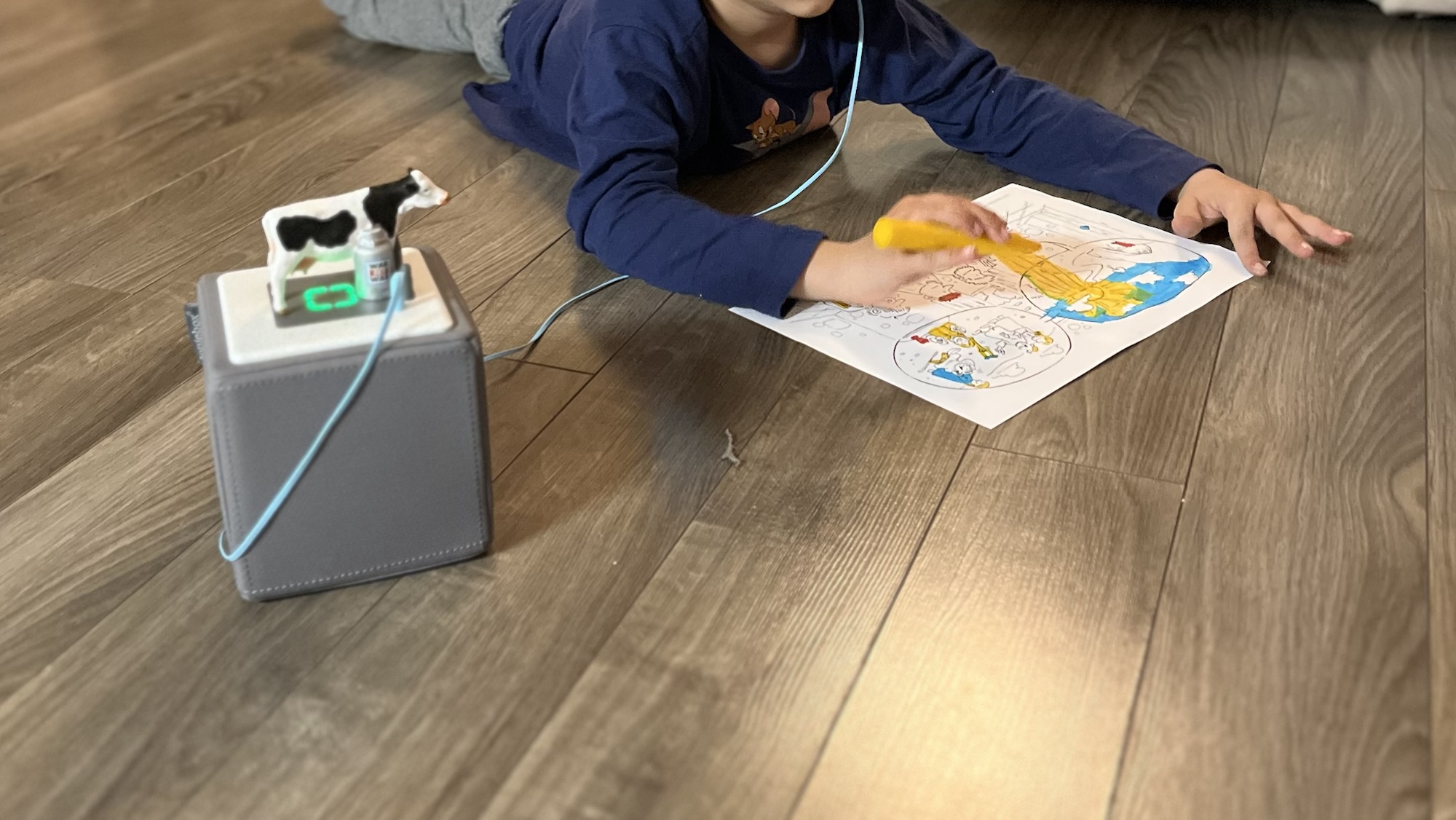
The little Tonie figures are simply irresistible to young children. They recognise their favourite characters, choose a figure, place it on the box and their story begins.
It’s wonderfully simple.
My younger son could operate our Toniebox completely by himself when he was just one year old. He didn’t need me to explain buttons, cards or menus. He just knew which little figure he wanted.
Another thing I love is how robust the Toniebox is. Its soft exterior and simple controls make it particularly suitable for little hands.
And the figures themselves become part of the play. Children can collect them, arrange them, carry them around and choose their favourites.
For younger children, that physical experience makes a real difference.
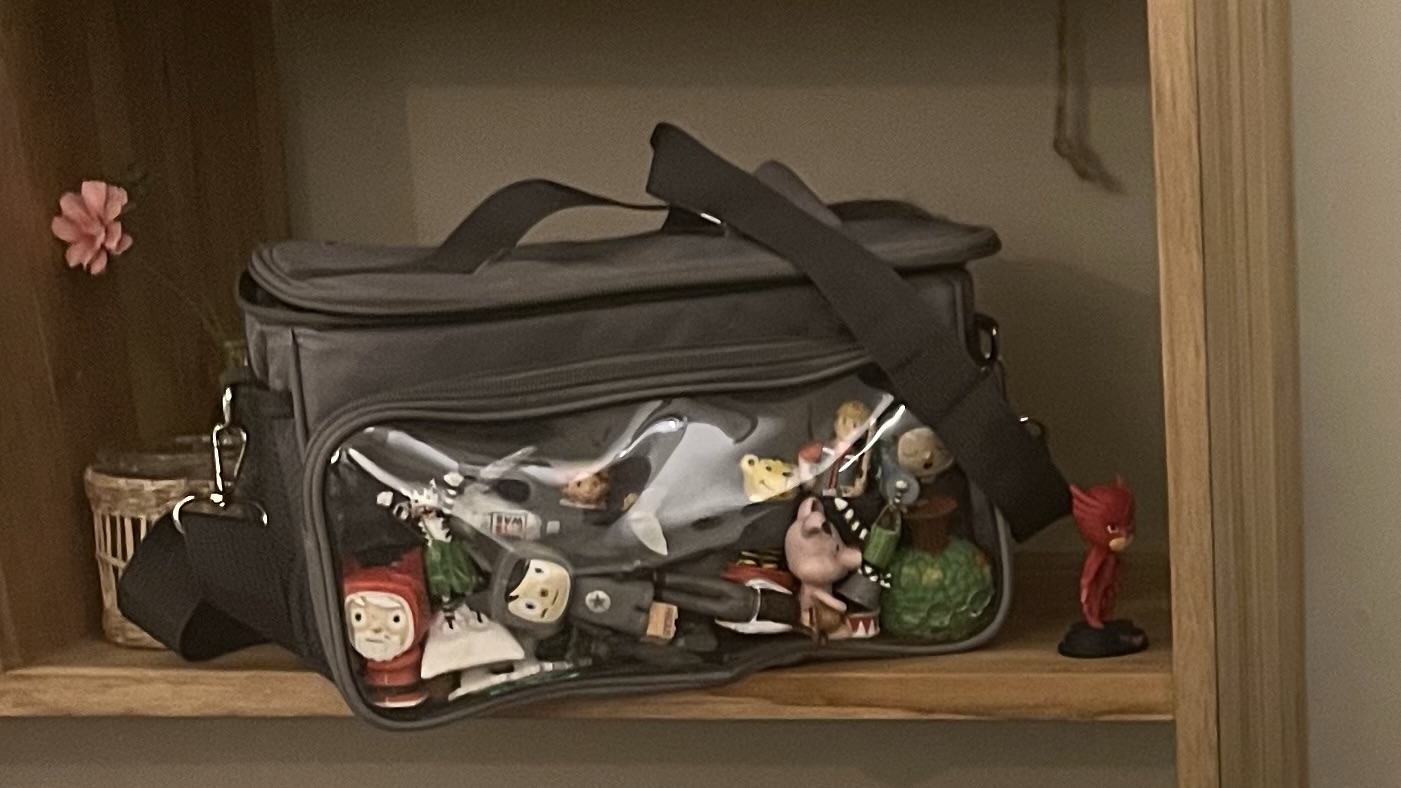
What I love about the Toniebox:
- Very easy for little children to operate independently.
- Robust, soft exterior.
- Cute figures that children genuinely enjoy collecting.
- Simple controls.
- A lovely introduction to audiobooks and independent listening.
For me, the Toniebox is particularly appealing for children up to around five or six years old. Of course, every child is different, but that’s where I see its biggest advantage.
2. Yoto Player – the one older children appreciate
Our experience with Yoto has been a little different.
My older son used to listen to the Toniebox a lot. But when he was around seven, he gradually stopped reaching for it altogether.
Perhaps he’d simply had enough of it after so many years! 😂
He really likes the Yoto Player, though. He thinks it’s stylish, and I can see why it appeals to older children.
Instead of little figurines, Yoto uses cards. You insert a card into the player to start listening, and the controls offer a little more flexibility.
I think this design feels a little more grown-up. It doesn’t feel quite as much like a toddler’s toy, which can be important when children start wanting things that feel more their age.
What I love about Yoto:
- A more grown-up design.
- A large selection of audio content.
- Make Your Own cards for personal audio collections.
- More storage for your own audio on each card.
- A digital library for managing your own playlists.
One thing I’m less certain about is whether I’d give a Yoto Player to a toddler. The cards are thin and need to be inserted into a slot. I personally find the chunky Tonie figures much easier for very young children to handle.
Yoto also advises adult supervision for children under three.
3. Adding your own audiobooks – Toniebox vs Yoto
This is where things get particularly interesting if you like creating your own audio collections.
Both systems allow you to add your own audio content.
Creative Tonies
With a Creative Tonie, you can upload your own audio files through the mytonies app or website. You can also record stories and messages directly in the app.
Each Creative Tonie holds up to 90 minutes of your own content.
I’ve used this feature quite a lot over the years, and honestly, I’ve always found 90 minutes sufficient.
Perhaps once or twice I wished I had a little more space, but it was rarely an issue.
You can change the content whenever your children’s interests change. Tonies also provides a digital library in your account, where you can manage your audio content and assign it to your Creative Tonies again.
Yoto Make Your Own cards
Yoto takes this a step further when it comes to storage.
With a Make Your Own card, you can create a playlist using your own audio files and link it to a blank card.
Each card supports:
- Up to 100 tracks.
- Up to 500 MB of audio.
- Up to five hours of total audio.
- A maximum of 60 minutes per individual track.
You can also keep your playlists in your Yoto account and reuse your blank cards by linking them to different playlists.
I particularly like the idea of having separate collections for bedtime stories, Bible stories, music and audiobooks in different languages.
You don’t need to keep all those original audio files on your laptop just to access your playlists in your Yoto library.
For families who enjoy building a large personal audiobook collection, this is a lovely advantage.
4. Which one is easier for children to handle?
This is probably the most important consideration for me.
The Toniebox is wonderfully straightforward. Place a figure on top, listen to a story, take it off and choose another one.
The Yoto Player requires a little more coordination. Children need to handle the cards and insert them correctly. The player also has buttons and dials to explore.
Neither is particularly complicated, but I think the Toniebox has the advantage for very young children.
I wouldn’t necessarily want to hand thin cards to a toddler and expect them to handle everything independently.
For older children, however, the cards are part of the fun. They can organise their collections, choose their own playlists and become more involved in managing their listening experience.
5. So, which one would I recommend?
Having used both, I wouldn’t say that one is simply better than the other.
They appeal to different ages and stages, and I think that’s exactly why both have a place in our home.
My choice for little children: Toniebox.
I love its simplicity, the robust design and, of course, those adorable figures. It’s a wonderful first audio player for little ones.
My choice for older children: Yoto Player.
I love its flexibility, the Make Your Own cards and the fact that it feels like something older children can continue enjoying as they grow.
A little note from one mom to another
If you’re currently deciding between the two, I wouldn’t get too caught up in finding the one perfect audio player.
Think about your child’s age, how independently they can handle things and what they actually enjoy.
For us, the Toniebox was wonderful during the little years. Now, the Yoto Player has become a favourite for my older son.
And really, that’s what I love about both: they make stories, music and quiet moments part of everyday family life.
Sometimes the simplest things are the ones that help keep motherhood a little calmer – and a little more sane. 🤍
This article is based on our personal family experience with both audio players. Product features and specifications may change, so please check the manufacturers’ websites for the latest information.


