Feeding a family can feel like a full-time job sometimes.
Breakfast.
Lunch.
Snacks.
Dinner.
And then someone is hungry again.
If you have children who happily eat broccoli one week and suddenly decide they have never liked vegetables in their entire life the next, you know exactly what I mean. 😄
As moms, we want to nourish our children well. We want them to grow, have energy, and learn to enjoy a variety of foods.
But we also want mealtimes to feel like family life, not a daily battle.
And I think that distinction matters.
Healthy eating doesn’t have to mean creating the perfect menu, eliminating every treat, or making every meal look like something from a cookbook.
It can simply mean creating a home where nourishing foods are available, meals are shared when possible, and children gradually learn to enjoy a variety of foods.
You Don’t Have to Get Every Meal Right
There is so much pressure around feeding children.
Organic or not?
Homemade or store-bought?
How many vegetables?
How much protein?
Are they eating enough?
Are they eating too much?
And what about the child who would happily live on crackers for the rest of his life?
It can become exhausting very quickly.
But your child’s overall eating pattern matters much more than whether one particular meal was perfect.
Some days your family will eat a beautiful homemade dinner.
Other days it might be sandwiches, fruit, and whatever you can put together before everyone gets too hungry.
That’s real life.
The goal isn’t perfection.
The goal is to build healthy habits that can actually exist within your family’s everyday life.
A Variety of Foods Is a Beautiful Place to Start
Children need a variety of foods as they grow, and offering different fruits, vegetables, grains, proteins, and other nourishing foods gives them opportunities to experience different flavors and textures.
But variety doesn’t mean your child has to happily eat everything you serve.
Especially when children are young, selective eating can be a normal part of development. The American Academy of Pediatrics recommends continuing to offer a variety of foods without turning mealtimes into a battle, while allowing children some choice in what and how much they eat from what is offered.
That can be a difficult balance.
You provide.
You encourage.
You model.
And sometimes your child simply says, “No, thank you.”
And that’s okay.
You can offer the food again another day.
Don’t Turn Dinner Into a Battle
I think this is one of the most important things we can remember as moms.
We don’t want our children to grow up believing that mealtimes are a place where they have to perform for us.
We can encourage them to try new foods without forcing them.
We can serve vegetables without requiring everyone to clean their plate.
We can introduce foods again without making a big announcement that “you need to eat this because it’s healthy.”
And we can allow children to listen to their own hunger and fullness cues while we provide the food and structure.
Sometimes the most peaceful response to a rejected dinner is simply:
“That’s okay. You don’t have to eat it.”
And then you move on.
No lecture.
No negotiation.
No second dinner with five different alternatives.
Just dinner.
Let Your Children Be Part of the Process
One of the easiest ways to make healthy eating feel more natural is to invite children into the process.
Take them grocery shopping.
Let them choose between two fruits.
Wash vegetables together.
Let them stir something.
Give them a small job while you’re preparing dinner.
Grow a few herbs.
Pick berries.
Make a simple snack together.
Children are naturally curious.
And when food becomes something they can touch, smell, prepare, and explore, it becomes part of everyday life rather than something they are simply expected to eat.
You don’t have to turn your kitchen into a cooking school.
Sometimes letting your child wash the strawberries is enough.
Make Healthy Food Easy to Reach
One of the simplest things you can do at home is to make nourishing choices convenient.
Keep fruit where children can see it.
Have a few simple snack options ready.
Make water easy to access.
Keep ingredients for quick meals on hand.
Prepare a few things ahead of time when you have the opportunity.
Because let’s be honest:
When everyone is hungry and you’re exhausted, convenience wins.
So instead of relying on willpower, make the food you want your family to eat easy to reach and easy to prepare.
This isn’t about having a perfectly stocked kitchen.
It’s about making everyday life a little easier.
Having healthy options ready to grab can make family life so much easier. For example, when we head to the beach, I like packing fresh fruit and nuts ahead of time and keeping everything cool so we have something nourishing ready when the kids get hungry.
I shared our simple beach lunch setup on LTK, including the lunch box and accessories I use. See it here
Family Meals Are About More Than Food
I love the idea of family meals not only because of what is on the plate, but because of what happens around it.
A meal can be a moment to reconnect.
To hear about someone’s day.
To laugh.
To talk about something that happened.
To teach children how to participate in conversation.
To simply sit together for a few minutes without rushing from one activity to the next.
And family meals don’t have to be elaborate.
Pizza at the kitchen table counts.
Soup and bread count.
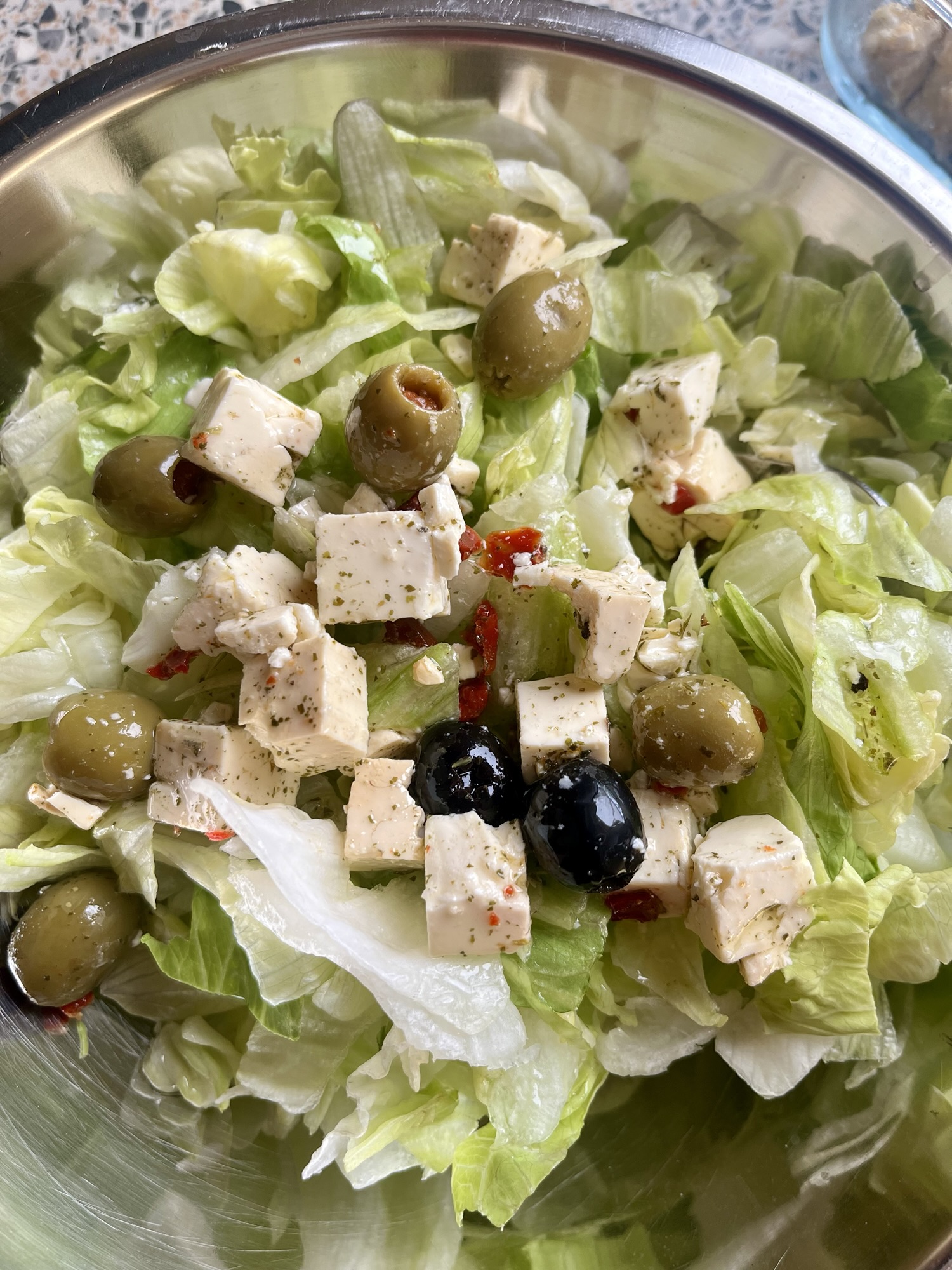
A simple summer salad counts.
So does breakfast for dinner.
The food doesn’t have to be impressive for the moment to matter.
And What About Mom?
We often talk about healthy eating as something we need to provide for our children.
But moms need nourishment, too.
It’s very easy to spend the entire day feeding everyone else and suddenly realize that you’ve been living on coffee and whatever was left on your child’s plate.
I’ve done this.
And I think many moms have.
Taking care of yourself doesn’t mean preparing a completely separate, perfect meal every day.
Sometimes it simply means putting a proper lunch on your own plate.
Adding vegetables to your meal because you actually enjoy them.
Drinking enough water.
Sitting down while you eat.
And remembering that you are part of the family you are caring for.
A Few Books to Inspire Your Family
If you enjoy learning more about family nutrition, picky eating, simple meals, or helping children develop a positive relationship with food, I’ve put together a small collection of books that I think are worth having around the house.
Not because you need another set of rules.
But because sometimes it is helpful to have a little inspiration when you’re standing in the kitchen wondering what everyone is going to eat tonight. 🤍
→6 Books to Inspire Healthier Family Meals & Curious Kids
I’ve included a mix of books for parents, family meals, children’s nutrition, and making food a little more enjoyable for everyone.
You Don’t Have to Make Food Complicated
Healthy family eating doesn’t have to mean complicated recipes or perfectly planned meals.
It can look like a bowl of berries on the breakfast table.
Vegetables added to dinner.
A child helping you stir pancake batter.
A family eating together before everyone runs off to the next activity.
A simple snack prepared ahead of time.
And occasionally, ordering takeout because nobody has the energy to cook.
That counts too.
The beautiful thing about feeding a family is that healthy habits are built over time, through hundreds of ordinary meals.
Not one perfect dinner.
Not one perfect grocery shop.
Not one perfect week.
So give yourself some grace.
Keep nourishing foods available.
Keep offering variety.
Invite your children into the process.
And try to remember that the goal isn’t to raise children who eat perfectly.
It is to raise children who can grow up feeling comfortable around food, curious about what they eat, and confident enough to listen to their bodies.
And hopefully, to create a family table where there is room for both nourishment and joy.
Because food should feed our families.
But it should also be part of the beautiful, messy, ordinary life we’re creating together.