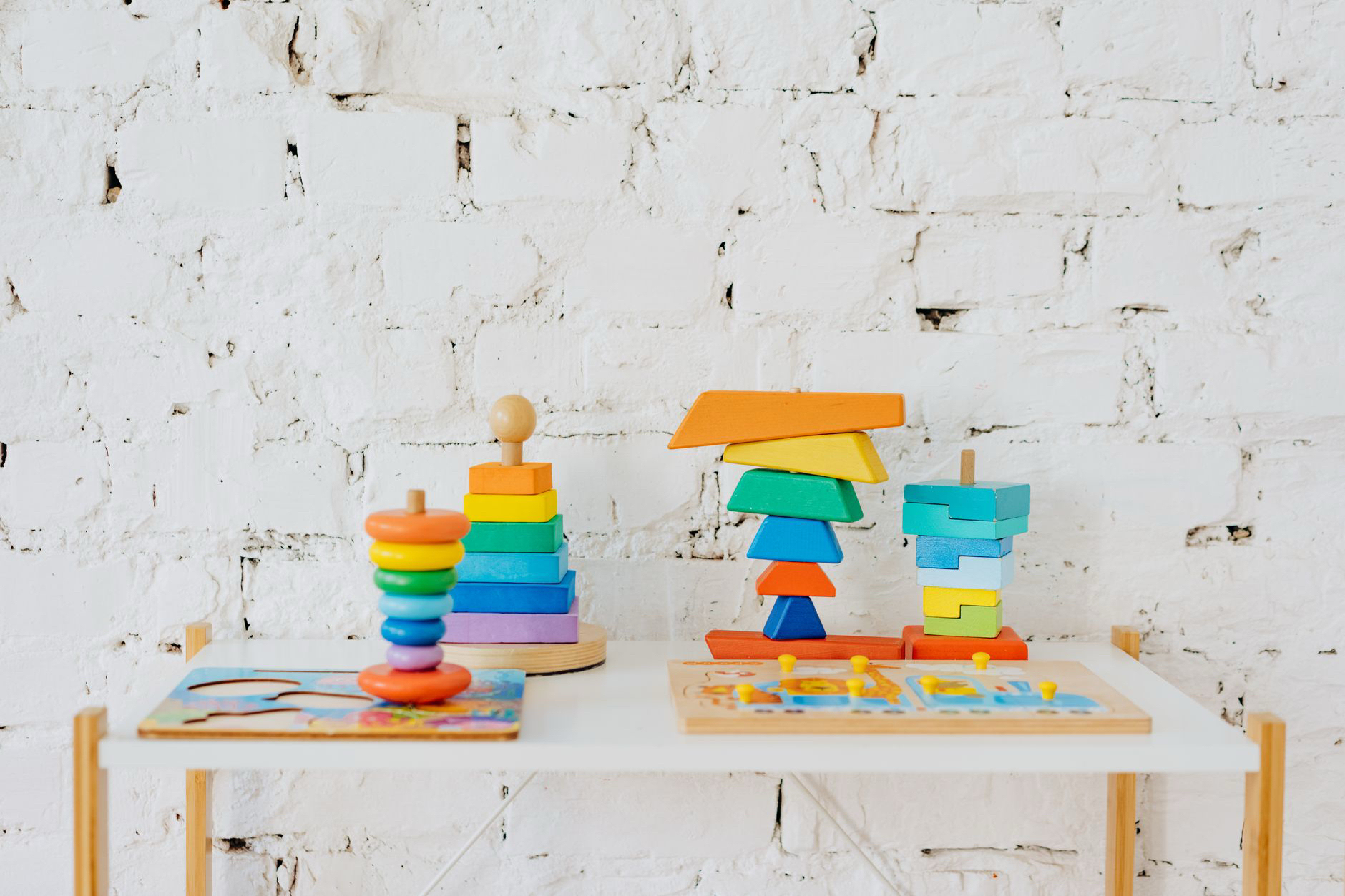
If your home sometimes feels like there are toys everywhere but somehow no one is actually playing, you are not alone.
I’ve found that we don’t necessarily need more toys. We need a simple system that makes the toys we already have easier for our children to enjoy.
That’s where toy rotation can make such a difference.
Instead of keeping every toy available all the time, I like to rotate toys based on developmental focus, current interests, and the kind of play I want to encourage. It keeps our play spaces calmer while giving old favorites a fresh feeling.
And the best part? It doesn’t have to be complicated.
Why Toy Rotation Can Help
When children have access to a huge number of toys at once, choosing what to play with can sometimes become difficult. A smaller, intentional selection can make it easier to focus and engage in meaningful play.
Toy rotation can also help you:
- Keep toy clutter under control
- Encourage independent play
- Bring forgotten toys back into use
- Support different developmental skills
- Create more focused play opportunities
- Make your home feel calmer without constantly decluttering
For me, the goal isn’t a perfectly curated playroom.
It’s a home that feels peaceful enough for children to play and moms to breathe.
My Simple Toy Rotation System
I like to think about six different areas when putting together a toy rotation.
1. A Current Favorite
Start with something your child already loves.
This might be a favorite car set, doll, animal collection, train set, or pretend-play toy.
There’s no need to rotate out something simply because it has been available for a while. If your child is deeply engaged with a toy, keep it out.
A favorite toy can provide comfort, confidence, creativity, and a sense of emotional security.
2. Hand-Eye Coordination
Next, add something that encourages fine motor skills, concentration, and problem-solving.
Think:
- Puzzles
- Building toys
- Simple construction sets
- Sorting activities
- Matching games
- Train tracks
These toys don’t have to be complicated. Sometimes a simple puzzle or building set can hold a child’s attention much longer than a toy with lots of buttons and sounds.
3. Language Learning
I also like to include something that encourages language development and early literacy.
This could be:
- Alphabet puzzles
- Letter cards
- CVC word puzzles
- Books
- Storytelling props
- Matching games
- Vocabulary cards
You don’t need to turn playtime into a lesson.
Simply having language-rich materials available gives your child opportunities to talk, name, describe, match, and eventually begin connecting sounds and letters.
4. Arts & Crafts
Every rotation doesn’t have to be made up of traditional toys.
I love having a small selection of creative materials available for drawing, painting, cutting, gluing, building, or crafting.
Arts and crafts can encourage creativity and self-expression while also giving little hands plenty of opportunities to practice fine motor skills.
And yes, sometimes this category is simply a basket of paper and crayons.
Simple is good.
5. Daily Life Activities
This is one of my favorite categories because children love doing things that feel real.
Think about toys and activities that encourage practical skills:
- Dressing frames
- Buttoning and zipping
- Lacing
- Sorting
- Pretend cooking
- Cleaning
- Simple household activities
- Practical-life toys
These activities can help children develop independence while giving them that wonderful feeling of “I can do it myself.”
They also fit beautifully into a calm, Montessori-inspired home.
6. Music & Movement
Finally, give children an opportunity to move.
Music and movement can bring rhythm, energy, creativity, and joy into the day.
You might include:
- Musical instruments
- Movement toys
- Dance props
- Scarves
- A small speaker for children’s music
- Figurines that inspire imaginative movement and storytelling
Not every play activity needs to be quiet.
A peaceful home can still have plenty of joyful noise and movement.
Rotate by Developmental Focus — Not Trends
This is probably the biggest idea I want to share.
You don’t need to buy every new toy that becomes popular.
Instead, look at your child and ask:
What are they interested in right now?
What skills are they practicing?
What kind of play seems to hold their attention?
Then choose toys accordingly.
One week, your rotation might lean heavily toward puzzles and fine-motor activities. Another week, pretend play and language might be more interesting.
There is no perfect toy rotation schedule.
You don’t even have to rotate every week.
Rotate when it makes sense for your family.
You Don’t Need More Toys
This has become my favorite reminder whenever I feel tempted to buy something new:
You don’t need more toys.
You need a system that works for your home.
Sometimes simply putting half of the toys away is enough to make the toys that remain feel new again.
And when you bring something back a few weeks later, your child may suddenly see it completely differently.
That old puzzle becomes interesting again.
The forgotten blocks become a building project.
The craft box becomes an afternoon activity.
And suddenly, you have created more opportunities for focused play without buying anything new.
A Simple Rotation You Can Try
If you want to start today, don’t overthink it.
Choose one toy or activity from each category:
- Current favorite
- Hand-eye coordination
- Language learning
- Arts & crafts
- Daily life skills
- Music & movement
Put the rest away somewhere your children don’t regularly see them.
Then watch what happens.
You may find that your children play more independently, spend longer with individual activities, and rediscover toys they had completely forgotten about.
And your home may feel just a little calmer too.
Because sometimes creating a more peaceful home isn’t about doing more.
It’s about removing a little noise and making room for what matters.
Shop My Toy Rotation Favorites
I’ve gathered some of our favorite toys and activities for fine motor development, language learning, creativity, practical life skills, puzzles, and movement in my LTK collection.
→ Shop the toy rotation favorites and create a simpler, calmer play space.
Some links may be affiliate links, which means I may earn a small commission at no additional cost to you.

